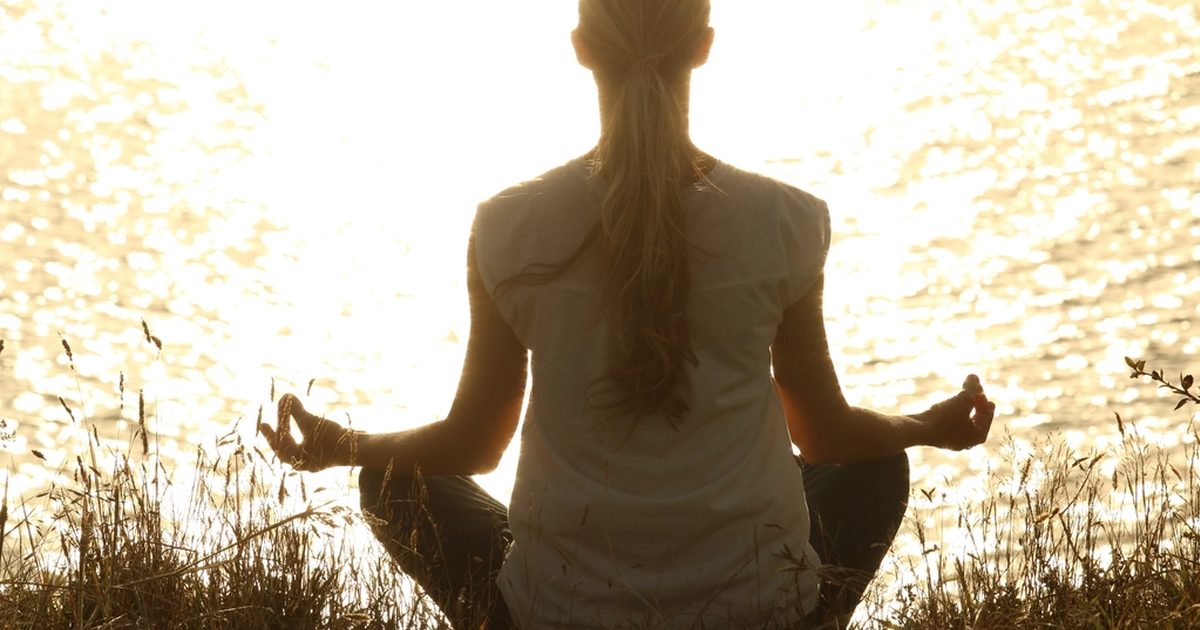
The ancient roots of breathwork
Long before apps and timers, yogis mapped the breath as the bridge between body and mind.
By Rhythm Breathwork Editorial · · 4 min read
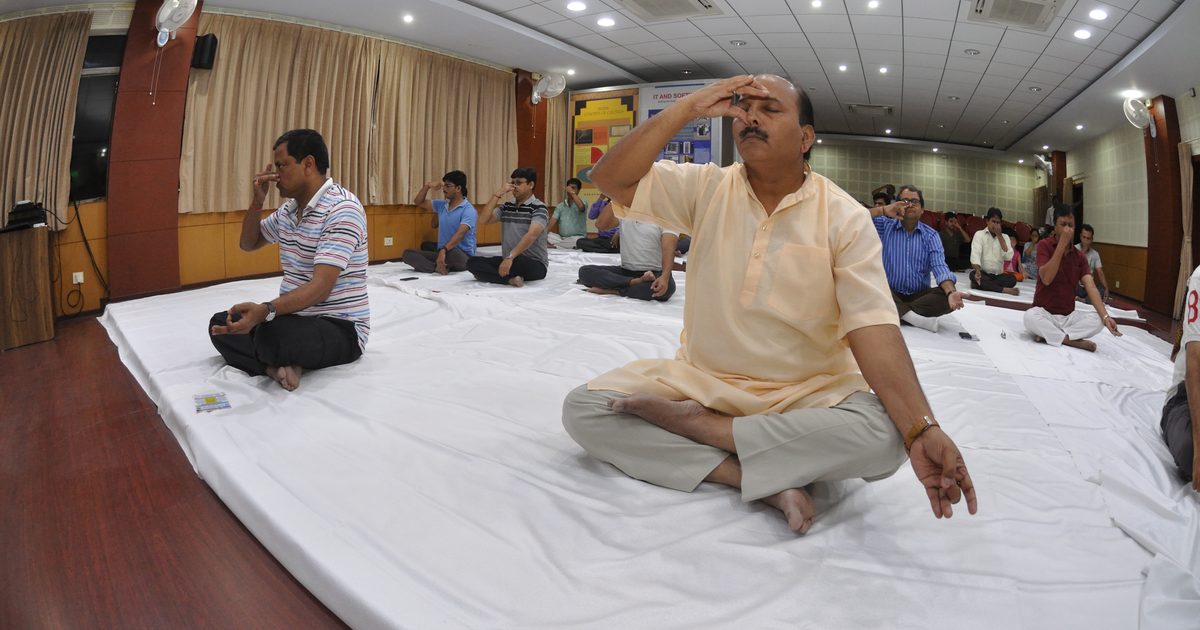
Pranayama, from the Sanskrit for life force and extension, appears in yoga texts written roughly two thousand years ago. Practitioners treated the breath as the one system you can run on autopilot or take the wheel of yourself.
The same ideas, new names
Alternate nostril breathing, slow exhales and gentle holds all show up in these old texts. Today they appear in sports science, therapy rooms and hospital wards.
What science now sees
A 2018 systematic review of slow breathing studies found links to greater comfort, relaxation and alertness, along with lower anxiety and anger. The ancient teachers did not have heart monitors, but they were paying very close attention.
Why it lasted
Breathwork needs nothing but you. It travelled across centuries and cultures because it works, it is free, and it is always with you.
The breath is the one system you can run on autopilot, or take the wheel yourself.
The Research Behind This
For education only, not medical advice. Check with a doctor if you have a health condition.